Eatinter
A Just-in-Time Intervention System for Regulating
Eating Pace Using Commodity Earbuds
Eatinter originates from my idea to "Hear Health".
It is the first closed-loop slow-eating intervention on commodity earbuds.
Timeframe
Sep-Dec2025
Role
Experimenter
Designer
Author rank
3nd Author
Academic recognition
IMWUT 2026
Manuscript Submitted
*This paper is submitted to ACM on Interactive, Mobile, Wearable and Ubiquitous Technologies 2026 (IMWUT2026). It is currently under review and temporarily open for application. People who see this page are kindly requested not to spread it.
Introduction
In October 2024 and May 2025, I was hospitalized twice due to acute pancreatitis. I realized that cultivating healthy eating habits is crucial for both physical and mental well-being. However, eating too quickly remains a common issue. Regulating the pace of eating can enhance the feeling of fullness and reduce the burden on the metabolic and digestive systems.
With wearable technology enabling continuous sensing, real-time eating interventions are now feasible, yet most existing studies focus primarily on sensing or deliver delayed feedback.
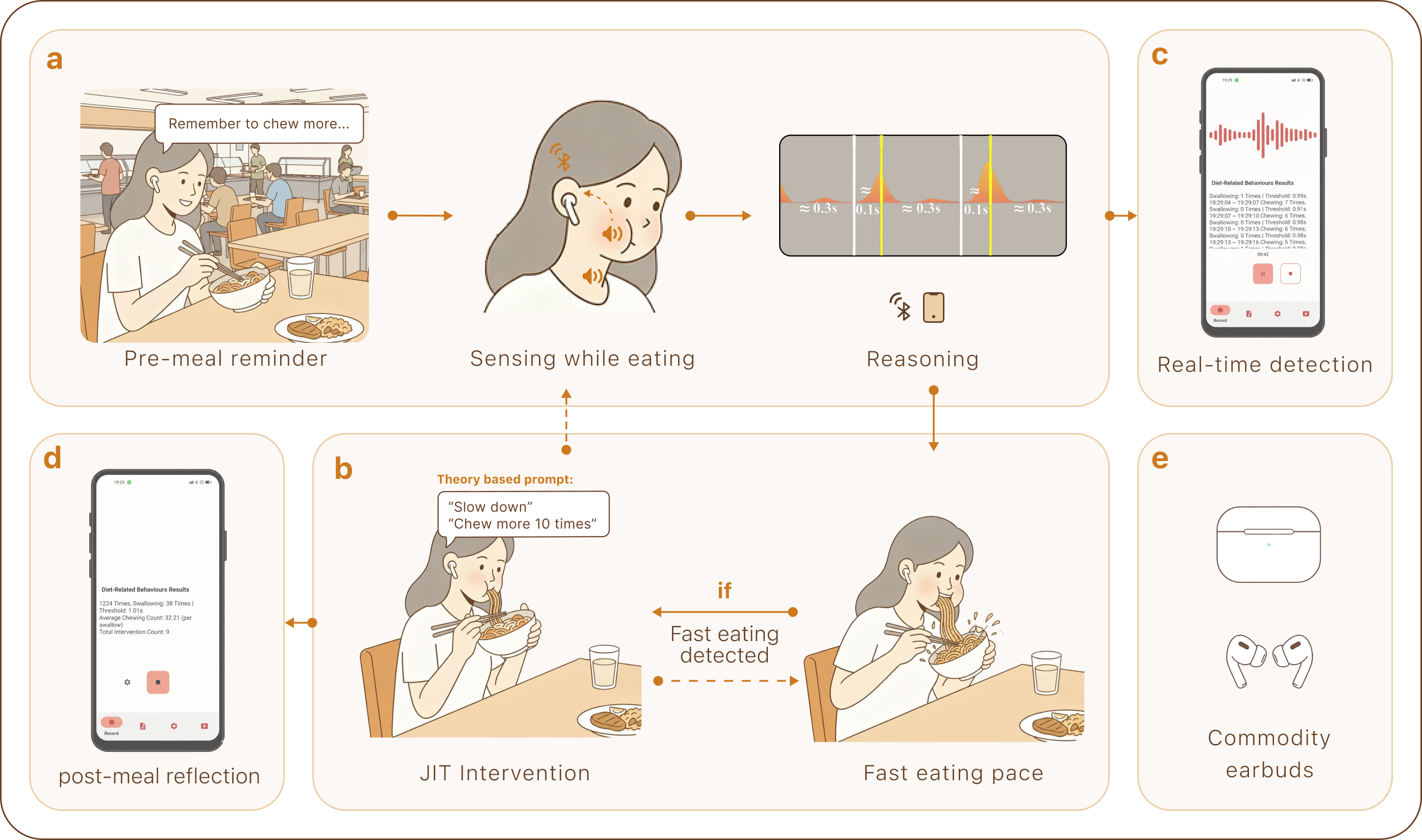
We present a system that repurposes the bone-conduction sensors in standard commodity earbuds to accurately detect chewing and swallowing. When rapid eating is detected, it delivers real-time auditory feedback to help users regulate their pace.
Hardware
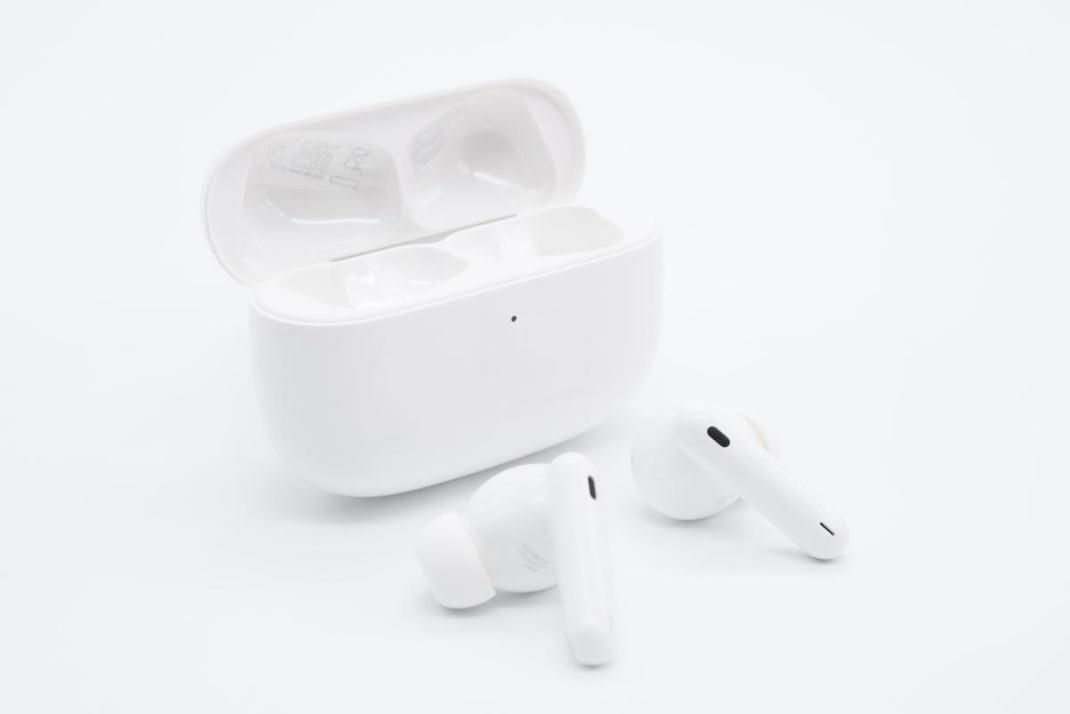
To ensure the non-intrusiveness and social acceptability, we repurposed commercially available
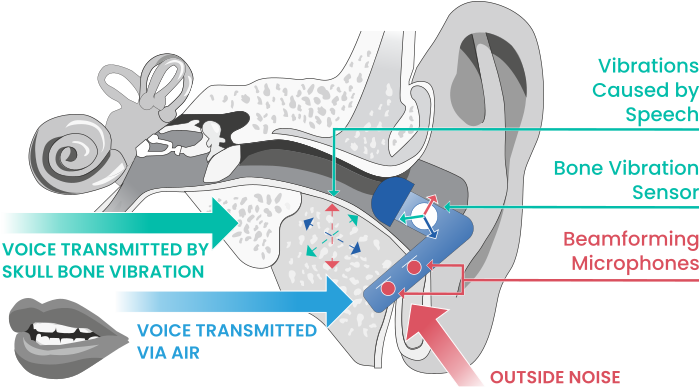
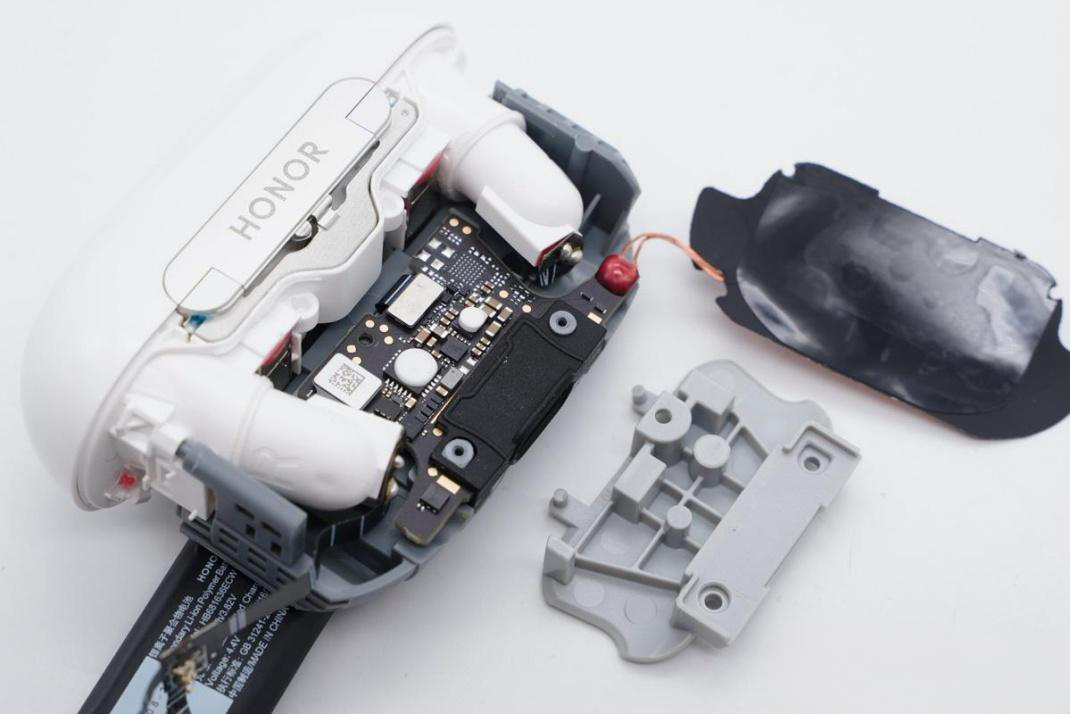
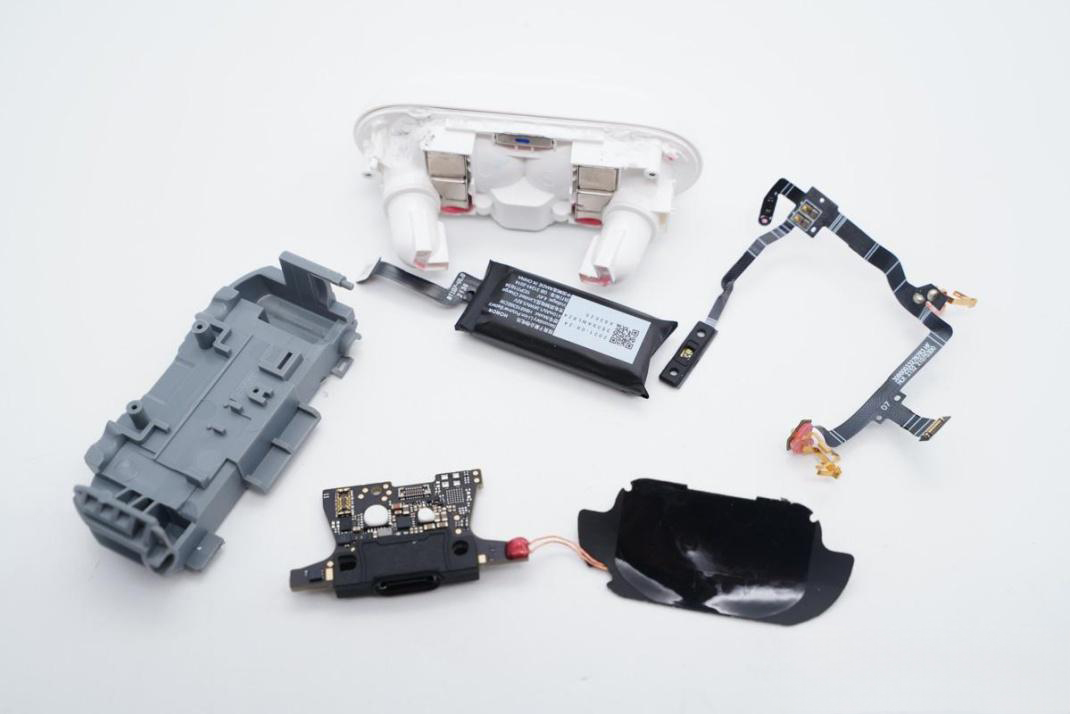
Honor earbuds pro 3.Sensor Repurposing: These earbuds are equipped with a built-in Voice Pickup Unit (VPU), a bone-conduction vibration sensor originally designed to enhance human voices and suppress environmental noise during calls by detecting jawbone vibrations.
Perceptual Advantages: Pre-studies indicate that the VPU exhibits extremely high sensitivity to high-frequency skeletal vibrations generated by chewing, while naturally isolating external environmental noise due to its physical contact characteristics. Audio data is transmitted in real-time via Bluetooth to an Android smartphone for processing at a sampling rate of 16 kHz.
System Overview
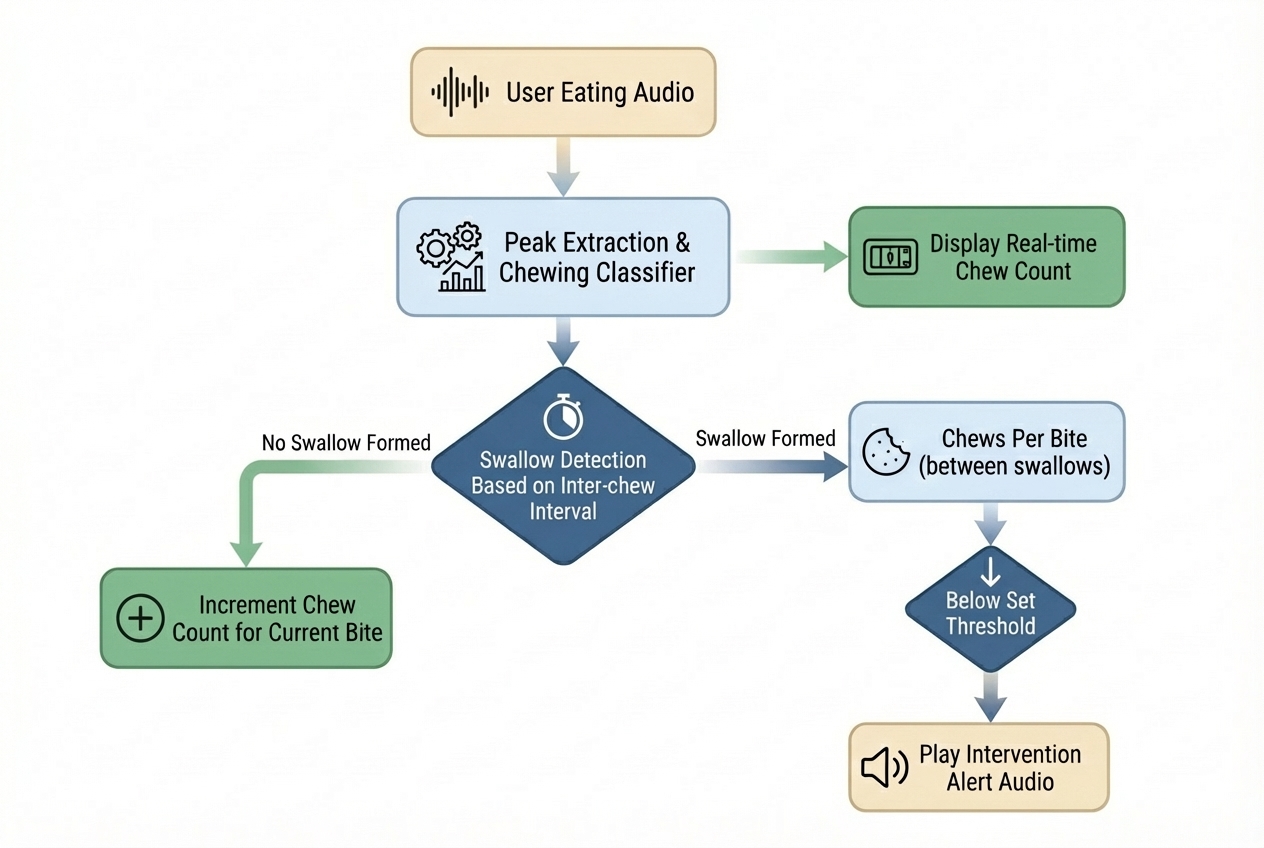
* In this project, my main work involved the design and validation of theory-based interventions. The algorithm was collaboratively completed by another friend, so I will not elaborate further on it. If you are interested in this aspect, you may refer back to the original text.
Dataset:
The study constructed a multimodal dataset involving 18 participants across both quiet laboratory and noisy canteen environments, utilizing headphones for primary sensing and cameras for ground truth. After manually annotating approximately one hour of recordings per participant, the data was segmented into over 64,000 labeled audio clips (chewing vs. non-chewing).
Algorithm:
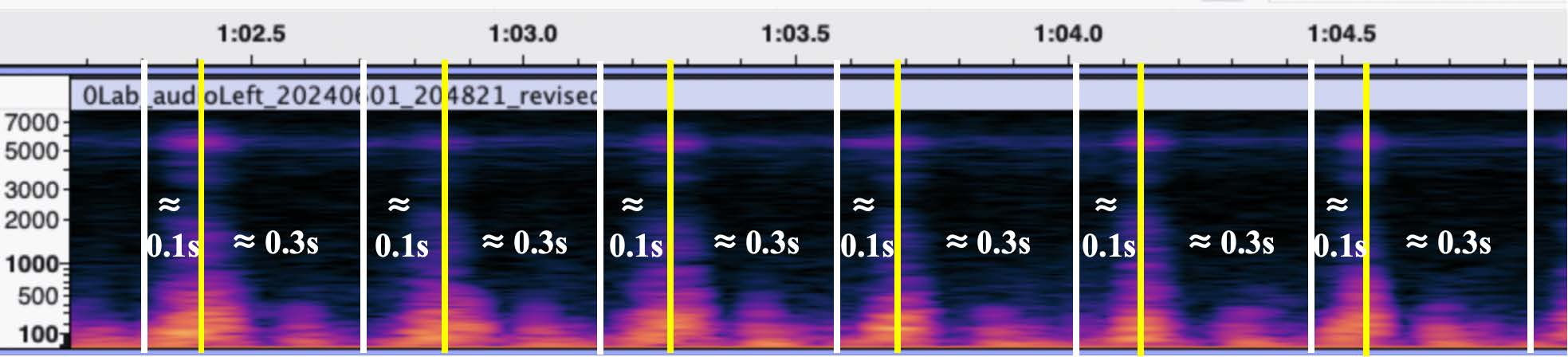
The system employs a hybrid detection strategy: chewing events are identified using a lightweight, EfficientNet-B0-based deep learning model that processes energy-screened audio spectrograms. Swallowing events are inferred via a heuristic rule that detects pauses (intervals >1.1s) in the chewing rhythm, effectively bypassing the acoustic challenges of detecting swallowing sounds.
Offline Evalution:
Offline testing demonstrated high precision for chewing detection, achieving a mean relative error (MRE) of only 5–15%. The overall estimation of the key "Chews Per Swallow" metric maintained an MRE of approximately 15%, confirming the system's reliability for driving real-time behavioral interventions.
Pilot Study
PS1: Intervention Content
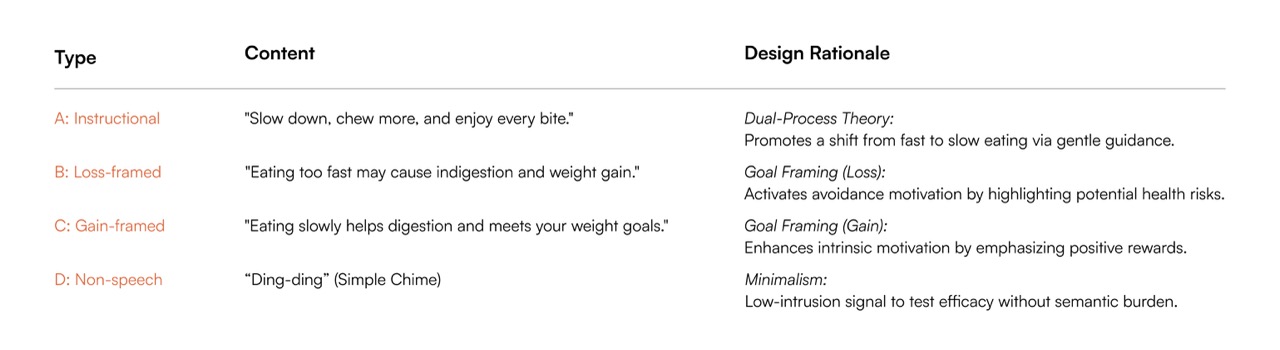
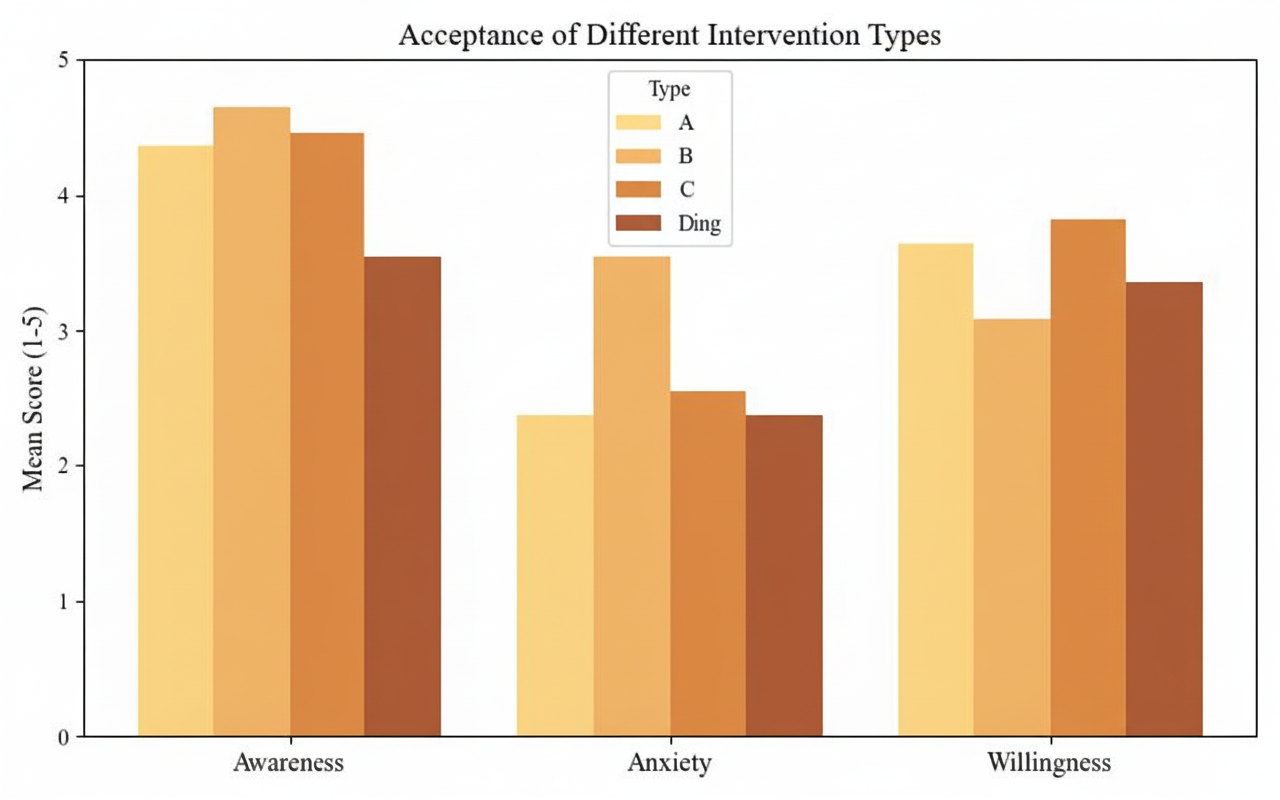
To ensure the feedback could effectively regulate eating pace without causing annoyance or social embarrassment, I designed four distinct types of auditory prompts grounded in Dual-Process Theory and Goal Framing Theory.
I then conducted a Wizard-of-Oz study with 6 participants in a controlled dining setting. Participants wore the earbuds while eating a standard meal. An experimenter, monitoring the session remotely, manually triggered the four feedback types in a randomized order when rapid eating was observed. After the session, participants rated each type on a 5-point Likert scale regarding Awareness (did they notice it?), Anxiety (did it cause stress?), and Willingness to Use (would they use it daily?).
To maximize long-term adherence and minimize negative emotional impact, the final system employs a mixed strategy of Type A and Type C, randomly selecting between gentle guidance and positive reinforcement to maintain freshness and user engagement.
PS2: Intervention Triggering Logic
Based on clinical literature regarding mastication efficiency, we defined the healthy baseline for eating pace as 25 Chews Per Swallow (CPS). Any swallowing event preceded by fewer than 25 chews is classified as "Rapid Eating."
Strictly triggering feedback on every rapid swallow was intrusive, so we implemented a Continuity-Check and Cool-down logic:
· Continuity Check: The system triggers an intervention only when two consecutive swallowing events fall below the CPS threshold (CPS < 25). This filters out occasional outliers caused by soft food textures or pauses for speech.
· Cool-down Window: Once an intervention is triggered, the system enters a 30-second cool-down period. This allows the user time to cognitively process the feedback and adjust their rhythm without being bombarded by consecutive alerts.
User Study
Participants: 16 participants (8 females, 8 males) from the university campus, aged 21 to 29 (M=25.18,SD=2.56).
Dining Environment: a laboratory setting.
Food Selection: a standard meal of their choice, ensuring a natural mix of food textures (e.g., rice, vegetables, meat).
Ground Truth Collection: a discrete camera was placed at a side angle to record the jaw movements and swallowing actions.
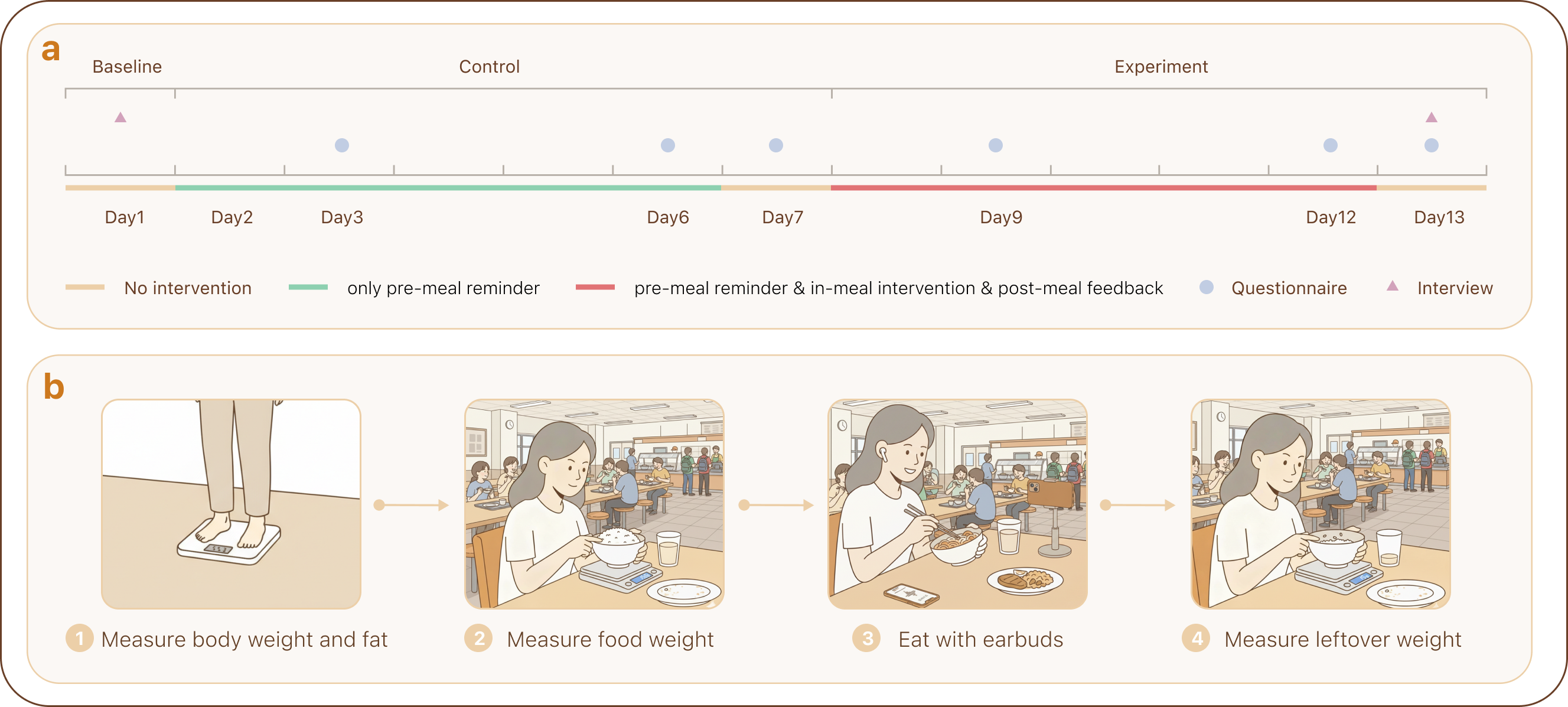
Procedure(Within-subject):
Phase 1 (Baseline): 1 days. Wear the device without feedback, only collecting baseline eating data.
Phase 2 (Intervention): 6 days. Enable JIT real-time voice intervention.
Phase 3 (Retention): 6 days. Remove feedback to observe whether the behavior diminishes.
Results
Quantitative Results:
Our two-week field study (N=16) demonstrated significant quantitative improvements. The system successfully slowed down eating pace, evidenced by increased chews-per-swallow ratios and longer meal durations. Crucially, these behavioral changes showed short-term retention even after the auditory feedback was removed.
*Box plots of self-reported eating experience scores for the four factors. Asterisks denote statisticallysignificant pairwise differences († indicates 𝑝 < 0.1, * indicates 𝑝 < 0.05, ** indicates 𝑝 < 0.01, *** indicates 𝑝 < 0.001).
Participants rated the system highly on the
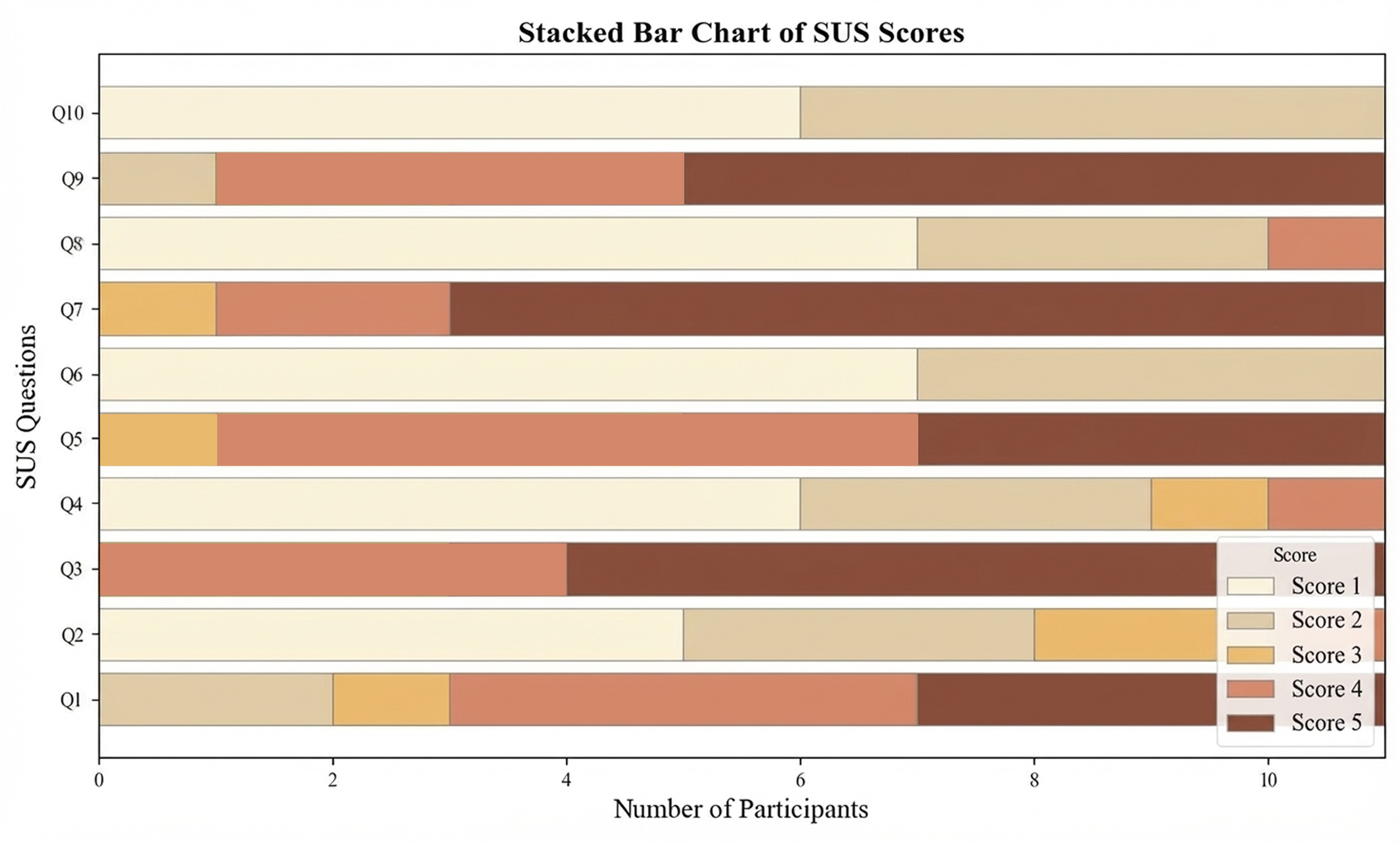
System Usability Scale (SUS). The mean SUS score was 70.0 +- 9.6 (median = 70.0, IQR = 16.7), (calculated via standard SUS methodology), which is higher than
the industry benchmark of 68.High scores were observed for Item 3 ("Easy to use") and Item 7 ("Learnable"), indicating that the "put-on-and-play" nature of commercial earbuds lowers the barrier to entry. Low scores for Item 2 ("Unnecessarily complex") confirm the minimalist design of our Android application.
Qualitative Results:
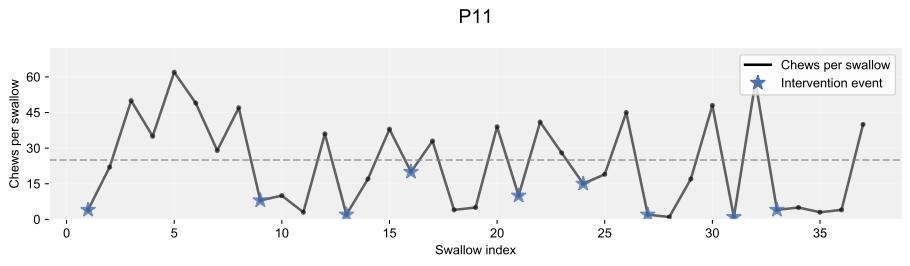
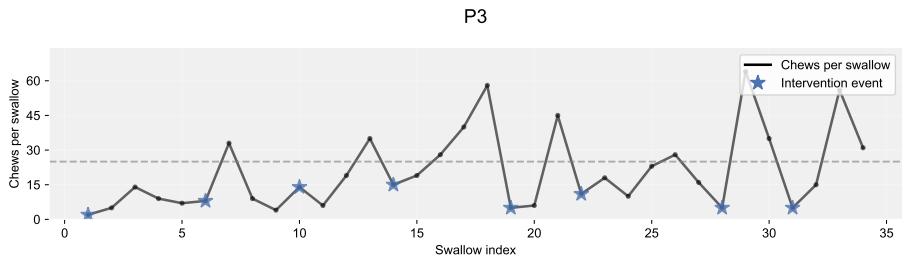
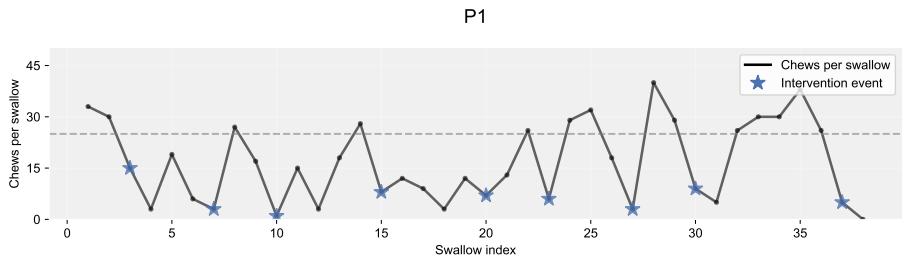
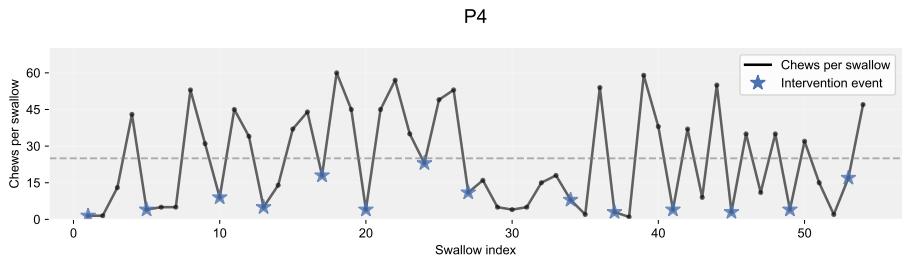
Here I showcase 4 participant-level trajectories of eating pace (chews-per-swallow) during a representative Experiment meal.
The vertical axis in the graph represents the chews per swallow. The star markers indicate the moments of immediate intervention.
Clearly, each intervention occurs when eating is noticeably faster, and subsequently, the eating speed is effectively controlled.
Conclusion
I developed a closed-loop system using standard earbuds to regulate eating pace. By repurposing embedded bone-conduction sensors to detect chewing and swallowing, the system provides real-time adaptive audio feedback. A two-week field study (N=16) demonstrated that the system significantly slowed eating speeds and increased chewing ratios, with behavioral improvements persisting even after the feedback was removed.